




Freezer clothing
Right clothes inside and out, from the feet to the head.
Certified to work in the cold
To work in cold storage and freezer rooms safely, the clothing must be certified for use in those temperatures. The certificate is called EN 342 and applies for work in temperatures from -5°C to -50°C. For the certificate to be valid, the labeling must be present on pants and jacket or overall, and the wearer must use base layers, gloves, boots, and headwear. This is to ensure that the work is carried out without risk to the worker when it comes to cold, grip, and slipping. In other words, one should have the right clothing from the inside out, from the feet to the head.
EN 342 CERTIFICATE
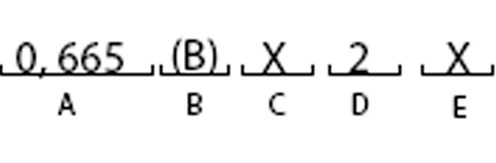
A Indicates the thermal insulation in motion (m2 insulation). The higher the value, the more insulating.
B Indicates that the garment has been tested with insulating base layers.
D Breathability. Refers to how much air the garment allows to escape, where 1 is the highest and 3 is the lowest.
E Water resistance (optional). Determines the water resistance on a scale of 1-2 where 1 is the highest and 2 is the lowest.
Jacket and pants/overall
There are different types of jackets, pants, and overalls depending on the job, activity level, and temperature. Here at Arbetsskydd, cold clothing means working between +5°C and -5°C, while freezer clothing is from -5°C to -50°C.
For those who work in cold but do not reach a higher physical activity level, warmer and more insulating garments are needed. This can be, for example, forklift drivers or refrigeration technicians. To determine the level of thermal insulation, one can look at the aforementioned numerical marking or garments where the focus is on thermal insulation. An example of such is the jacket from the Polar 280 series.
Freezer jacket with the highest comfort and superb insulation. Heavy-duty zippers. Removable fleece-lined hood. The jacket has reflective bands on the collar, sleeves, and chest. The collar and pockets are fleece.
Higher activity, lower heat (warehouse pickers/workers)
Those who have jobs with higher physical activity, such as warehouse pickers of various types, need garments with higher breathability. Even though thermal insulation must of course be maintained, it is important that the user does not sweat too much, as moisture can form and then freeze, cooling down the user. An example of such a garment is the X28 series, where this overall works excellently.
X28 Overall is ergonomically designed, made of HTY2 material and Clo Insulation Univa, which makes this overall very user-friendly. This overall still has the same wonderful warmth and breathability as previous versions.
The overall features a Flex-Easy arm design which helps reduce fatigue in the carrying capacity in most demanding roles, combined with other new features such as the new collar and increased fluorescent material which contributes to enhanced visibility.
Shoes
There are different certifications for safety shoes, lightweight safety shoes, and work shoes. For safety shoes, EN 20345 applies and is the certificate with the highest requirements for the upper, sole, ergonomics, mechanical risks (pressure from above or below), and total absence of chromium VI. At Arbetsskydd, only safety shoes that are certified are sold, and in addition to EN 20345, there are various markings for safety shoes adapted for cold work.
CI – "CI" stands for "Cold Insulation". At -17 degrees, the temperature in the shoes should not drop below 10 degrees after 30 minutes.
Slip Resistance – SRA, SRB or SRC are measures of slip resistance.
SRA – Slip tested on ceramic tiles with a two-component solution on the floor.
SRB – Slip tested on a steel plate with glycerin on the floor.
SRC – Slip resistant.
Frost Boot ID 501EEC 89/686 - 20345 CI, SRB slip rating, 200J steel toe cap, Water-repellent fabric, Made within the EU, Antistatic, Delivered with a set of linings.
Gloves
Similar to shoes, there is a certification for protective gloves, EN 388, where the levels of resistance to abrasion, cuts, tears, and puncture injuries are measured.
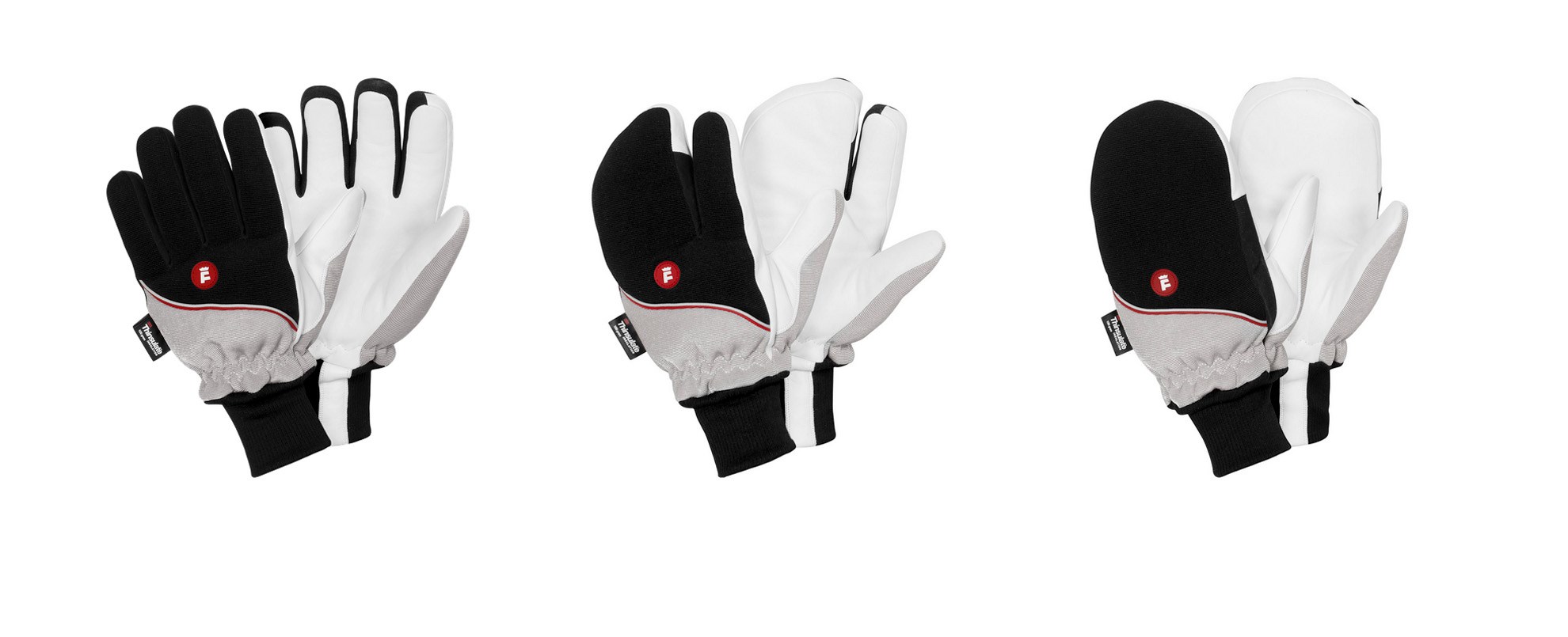
The second, EN 511, specifically applies to cold gloves. It is based on resistance to cold convection and contact cold, with an optional test for waterproofing.
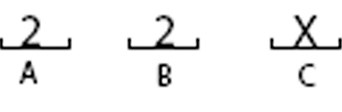
B Contact. Measures resistance when the glove is in contact
C Slip tested on steel plate with glycerin on the floor.
Headgear
It is important to protect the head as a large part of body heat escapes from there. In order for the certification EN 342 for cold weather clothing to apply, the user must have some type of headgear. There are different variants, including classic hats, balaclavas, and snowmobile hats.
Hi-vis
The last part of the certification is hi-vis. There are also different types of thickness and reinforcements based on the type of work. It can range from classic thinner hi-vis to quilted types.
Care
After use, hang the garments in a warm room or closet. Do not let them dry crumpled in a small area.Wash at 40 degrees. No bleach or fabric softener.
Tumble dry on low, do not dry clean. Zip up zippers to avoid damage.
