

Light Weight
Base Layer
Base Layer
High work pace
You move around a lot
Conditions: Moderate to cool
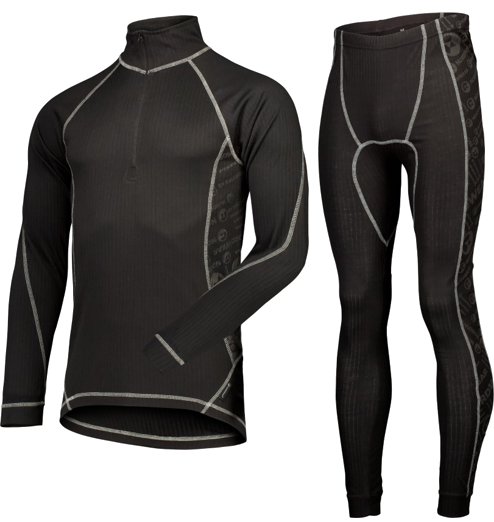
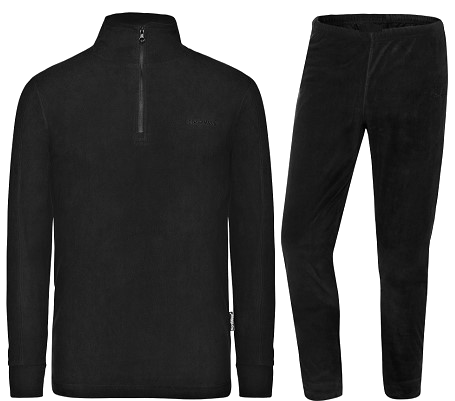
NordWear NW 4400
A light base layer for work that makes you warm and calls for moisture management.
- Material
- 100 % polyester
- Wash
- 40 °C
Base layers for work
Are you always on the move, or do you often stand still in the cold? Compare three NordWear base layers by work pace and conditions.
Short film
English narration · English subtitles
Which base layer should you wear for work in cold weather?
Start with your work pace.
Light Weight, NW 4400, for active work in moderate to cool conditions.
Mid Weight, NW 4300, for changing activity in the cold.
Heavy Weight, NW 4100, for low activity in below-freezing temperatures.
Find your fit in the NordWear guide.
Compare the three base layers ↓Understand its role
Your base layer is the foundation of your workwear. It helps move moisture away from your skin, while the layers over it retain warmth and protect against the weather.

Layer 1 · Base layerMoves moisture away from your skin.
Layer 2 · Mid layerRetains warmth.
Layer 3 · Outer layerProtects against wind and rain.
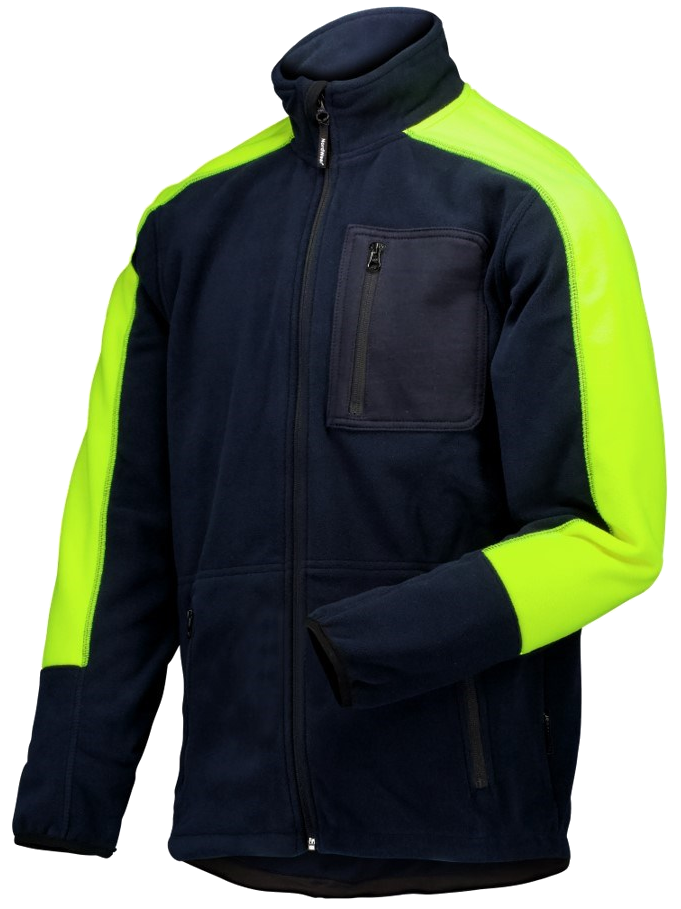
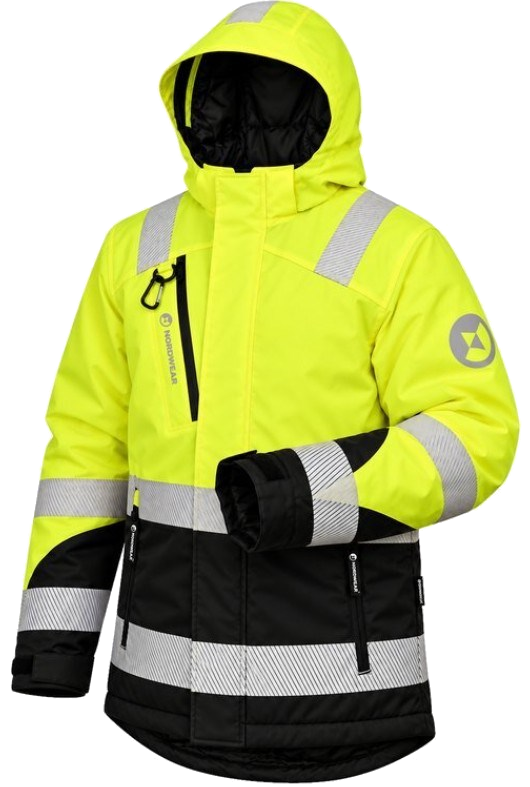
Products shown in the illustration: NW 4400 base layer set, NW 6708 ADDVIS fleece jacket and NW 5603 winter jacket.
Find your option
Start with your work pace and how cold your surroundings are. Choose the base layer that suits your usual tasks.
You move around a lot
Conditions: Moderate to cool
NordWear NW 4400
A light base layer for work that makes you warm and calls for moisture management.
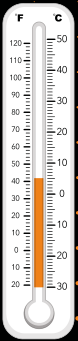
You alternate between movement and rest
Conditions: Cold
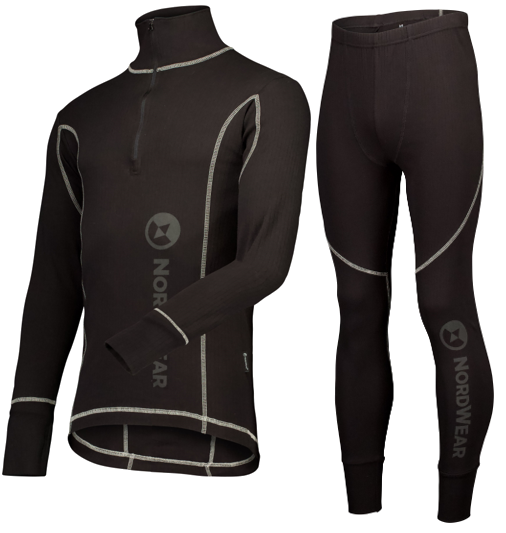
NordWear NW 4300
An option for cold working days with both active and quieter periods.
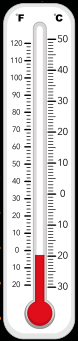
You need more warmth
Conditions: Below freezing
NordWear NW 4100
A warm fleece base layer for less active work in the cold.
Make your layers work together
The right base layer is a good starting point. Adjust the rest of your clothing as your work pace or the weather changes.
Choose a close fit that lets you move freely. Direct contact with your skin helps the base layer manage moisture.
Open or remove a mid layer when you get warm. Add a layer when you stop or take a break.
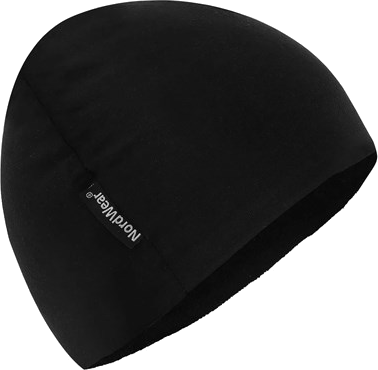
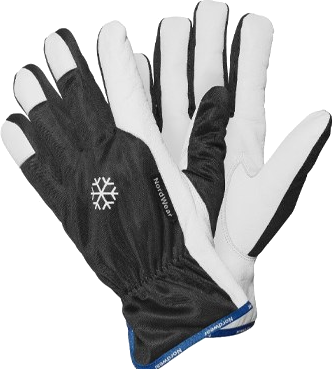
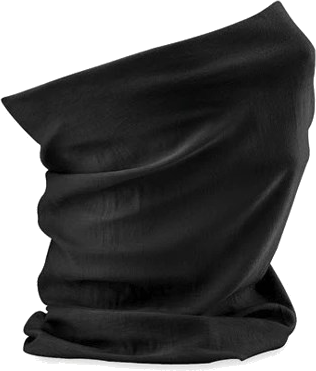
Add suitable protection against wind and weather. A hat, gloves and a neck warmer help protect exposed areas.
Look after your clothing
Always follow the care label in your garment. Here is a quick overview of the options in this guide.
NW 4400 and NW 4100.
NW 4300. Choose a gentle wash cycle.
Use laundry detergent and follow the garment label for drying instructions.
Does your workplace have specific protection requirements? This guide helps you compare base layers for comfort in the cold. Where there are hazards such as heat, flame or electric arc, clothing must be selected according to the workplace risk assessment and protection requirements.
Quick answers
Light, Mid and Heavy Weight are NordWear’s three base layer categories: lightweight for moderate to cool conditions, midweight for cold conditions and fleece for below-freezing temperatures. Choose according to your work pace and warmth needs.
Start with your working day: NW 4400 for a high work pace, NW 4300 for changing activity in the cold and NW 4100 when you need more warmth during low activity. Also compare materials, fit and the clothing you wear on top.
Your base layer is one part of your clothing system. Add mid layers for warmth and outer layers for wind and rain. Adapt the full combination to your workplace.
Wear your base layer directly against your skin. An ordinary cotton T-shirt can retain moisture next to the body and feel less comfortable when you slow down.
A light, moisture-wicking base layer suits work that keeps you moving and makes you warm. NW 4400 is the lightweight option in this guide, made from 100% polyester.
At low activity levels, you need more help retaining warmth. NW 4100 is a fleece base layer for cold working days. Adjust your mid and outer layers to the conditions too.
Choose a close fit that follows your movements. The top and trousers should feel comfortable when you bend, raise your arms and work.
Clothing in this guide
Explore the three base layer sets and the garments illustrating how the layers work together.
Complete your outfit
Give your head, hands and neck an extra layer. Choose accessories that suit your tasks and your workplace protection requirements.